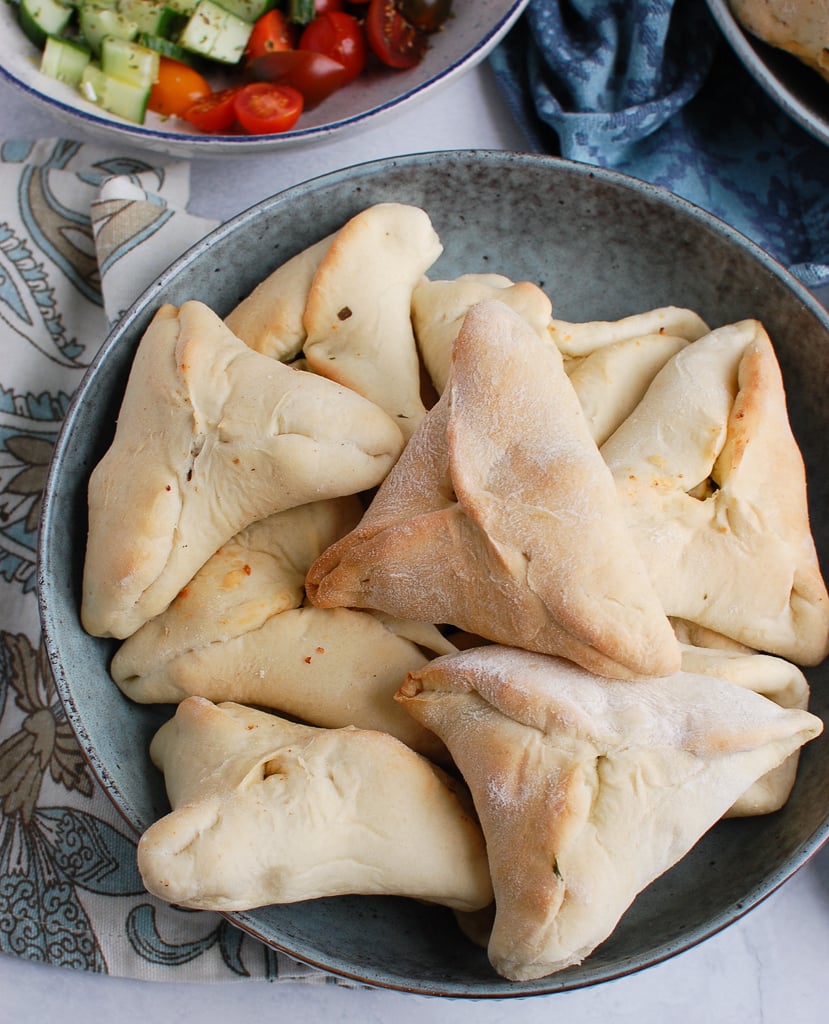
Lemony Lebanese Spinach Fatayer: Perfect Appetizer & Freezer Friendly
Dive into the delightful world of Fatayer bi Sabanekh, better known as Lemony Lebanese Spinach Fatayer. These exquisitely crafted triangular savory pies are a cornerstone of Middle Eastern cuisine, renowned for their vibrant lemony spinach filling encased in a thin, often crispy, golden dough. More than just a simple snack, these spinach fatayer represent a culinary embrace of tradition, flavor, and heartwarming comfort, making them an ideal appetizer for any gathering or a delicious, ready-to-go treat from your freezer. Originating from the rich culinary heritage of Lebanon, these spinach pies stand out with their unique blend of fresh, zesty flavors. Unlike their European counterparts, Lebanese spinach fatayer are characterized by a generous kick of fresh lemon juice and the distinctive tang of sumac, a staple Middle Eastern spice. Whether you're planning a lavish meze spread, seeking a convenient lunch option, or simply craving a taste of authentic Lebanese home cooking, these versatile parcels promise a culinary experience that's both deeply satisfying and incredibly convenient.What Makes Lebanese Spinach Fatayer So Special? The Essence of Flavor and Tradition
The allure of Lebanese spinach fatayer lies in a harmonious blend of simple ingredients transformed into something truly extraordinary. It's a culinary tale told through layers of flavor and cultural significance.A Distinctive Flavor Profile: Lemony, Tangy, and Savory
At the heart of every great spinach fatayer is its filling. What truly sets the Lebanese version apart is its pronounced lemony character. This isn't just a hint of citrus; it's a generous burst of fresh lemon juice that brightens every bite. Complementing this acidity is sumac, a dark red, tangy Middle Eastern spice derived from dried berries. Sumac contributes a unique sourness that is both earthy and bright, a flavor profile quite distinct from the often creamier, cheese-infused Italian spinach pies. Finely chopped onions are also key, providing a subtle sweetness that balances the tang and savory notes of the fresh spinach. A touch of olive oil brings richness and helps bind the flavors, creating a filling that is complex, refreshing, and utterly addictive.The Perfect Dough: A Canvas for Flavor
The dough used for Lebanese spinach fatayer is typically a thin, yeast-risen preparation, designed to achieve a tender yet often crispy texture once baked. It provides the ideal delicate wrapper for the robust filling, ensuring that the flavor of the spinach truly shines. This balance between a crisp exterior and a tender, zesty interior is what makes each triangular bite so satisfying.A Taste of Home and Heritage
For many, spinach fatayer are more than just food; they are a direct link to cherished memories and family traditions. They evoke images of bustling family gatherings, festive occasions, and the comforting warmth of a grandparent's kitchen. Stories abound of families purchasing these savory delights from local Middle Eastern bakeries or receiving big batches from loving mothers and grandmothers, packed with care for travelers. Serving these pies is a way to share a piece of Lebanese heritage, connecting generations through shared culinary experiences. They are an indispensable part of any Lebanese meze (appetizer spread), standing proudly alongside dishes like hummus, tabbouleh, and baba ghanoush. If you're eager to recreate these memories, you might find inspiration in our comprehensive guide: Spinach Fatayer: The Lebanese Taste of Home and Meze Appetizer.Crafting the Perfect Spinach Filling: Ingredients & Essential Techniques
Creating the signature lemony spinach filling for your Lebanese spinach pies is an art that hinges on selecting the right ingredients and mastering a crucial technique.Spinach Selection and Preparation: Fresh is Best, but Frozen Works Too
While some recipes suggest using thawed frozen chopped spinach, the true depth of flavor and ideal texture in authentic fatayer often comes from fresh spinach. If opting for fresh, choose pre-washed and trimmed bags for convenience. The most critical step, regardless of whether you use fresh or frozen spinach, is to *extract as much liquid as possible*. After washing (or thawing), sprinkle salt over the spinach and gently massage it. Then, squeeze it vigorously by hand, or even better, wrap it in a clean kitchen towel or cheesecloth and wring it out until no more liquid drips. This step is paramount; excess moisture will lead to soggy fatayer, diluting the flavor and compromising the texture of your dough.Key Flavor Boosters: The Trio of Tang, Sweetness, and Savory
Once the spinach is thoroughly drained, it's ready to be transformed:- Sumac: This is non-negotiable for authentic Lebanese spinach fatayer. Its tart, slightly fruity flavor is irreplaceable. Ensure you have a good quality, fresh sumac powder.
- Fresh Lemon Juice: Use freshly squeezed lemon juice – bottled juice simply won't deliver the same vibrant, zesty punch. The acidity brightens the entire filling.
- Finely Chopped Onion: Don't skip the onion! When finely minced, it softens during baking, lending a subtle sweetness and aromatic depth that beautifully complements the tang of the lemon and sumac.
- Olive Oil: A good quality regular or extra-virgin olive oil not only adds richness but also helps to bind the ingredients and distribute the flavors evenly.
- Salt and Black Pepper: Season generously to taste, ensuring all the vibrant flavors are enhanced.
Mastering the Dough: From Elastic Ball to Beautiful Triangles
The dough for Lebanese spinach fatayer is a simple yet essential component, providing the perfect tender-crisp shell for the flavorful filling. Crafting it correctly is key to achieving that authentic texture.Dough Preparation: The Foundation of Fatayer
The dough typically starts with common pantry staples: flour, active dry yeast, a pinch of sugar (to activate the yeast), salt, warm water, and olive oil. In the bowl of an electric mixer fitted with a hook attachment, combine the dry ingredients, then gradually add the warm water and olive oil. Mix on medium speed until the dough comes together, becoming smooth and elastic. If kneading by hand, be prepared for a good workout until the dough is pliable and no longer sticky. Once formed into a ball, transfer it to a lightly greased bowl, cover it with plastic wrap or a clean kitchen towel, and let it proof in a warm, draft-free area. This proofing process, which can take 1 to 2 hours, allows the yeast to work its magic, doubling the dough in size and creating a light, airy texture vital for the finished pies.Shaping the Fatayer: The Art of the Triangle
- Place a spoonful of the spinach filling in the center of the circle.
- Fold one side of the dough over the filling to meet the opposite side, forming a half-moon shape. Pinch the edges together tightly at the top to seal.
- Bring one corner of the sealed half-moon towards the center, pinching it firmly to create one point of the triangle.
- Repeat with the other corner, bringing it to meet the center point, thus forming a perfect three-sided triangle. Ensure all seams are tightly pinched to prevent the filling from escaping during baking.
Baking to Golden Perfection
Preheat your oven to 400°F (200°C). Arrange the shaped fatayer on baking sheets lined with parchment paper, leaving a little space between each. Bake for 15-20 minutes, or until the dough is golden brown and the filling is cooked through and aromatic. The result will be a batch of golden, crispy, and irresistible Lebanese spinach pies, ready to be enjoyed. For a detailed step-by-step guide and precise measurements, consider exploring our full recipe: Master Lebanese Spinach Fatayer: Lemony Sumac Pie Recipe.Beyond the Oven: Serving & Freezing Your Lebanese Spinach Pies
Once baked, these delightful spinach fatayer can be enjoyed immediately or prepared for future indulgence, thanks to their excellent freezer-friendly qualities.Serving Suggestions: Versatility on a Plate
Lemony Lebanese Spinach Fatayer are incredibly versatile. They are, of course, a quintessential component of any traditional Lebanese meze spread, pairing beautifully with creamy hummus, refreshing tabbouleh, and smoky baba ghanoush. But their charm extends far beyond formal appetizers:- Snacks: Perfect for a quick, satisfying bite any time of day.
- Lunch: Pack them in a lunchbox for a delicious and wholesome meal.
- Party Food: Their individual size makes them ideal finger food for gatherings.
- Pairings: While delicious on their own, they can also be served with a dollop of plain yogurt, a sprinkle of fresh mint, or a simple lemon wedge for an extra burst of freshness.
The Magic of Freezer-Friendly Convenience
One of the greatest advantages of Lebanese spinach fatayer is how incredibly well they freeze, offering unparalleled convenience for busy lifestyles.- Freezing Baked Fatayer: Allow the baked fatayer to cool completely. Arrange them in a single layer on a baking sheet and freeze until solid. Once frozen, transfer them to freezer-safe bags or containers, ensuring they are well-sealed. They can be stored for up to 2-3 months. To reheat, simply place the frozen fatayer on a baking sheet and warm them in a preheated oven at 350°F (175°C) for 10-15 minutes, or until heated through and crisp.
- Freezing Unbaked Fatayer: For ultimate freshness upon serving, you can also freeze them unbaked. After shaping the fatayer, arrange them on a parchment-lined baking sheet and freeze until solid. Once firm, transfer them to freezer-safe bags. When you're ready to bake, place the frozen fatayer directly onto a baking sheet (no need to thaw) and bake in a preheated oven at 400°F (200°C) for a slightly longer duration, perhaps 20-25 minutes, or until golden brown. This method allows you to have freshly baked fatayer whenever the craving strikes!
